Quantum Light Technology Boutique

Why the World Needs a New Kind of Investment Banking Boutique: High-Tech, Prototype-Driven, and Deep in Quantum and AI

In the rapidly evolving landscape of frontier technology—where quantum computing, photonic systems, and artificial intelligence are redefining our understanding of what’s possible—traditional financial institutions and conventional venture capital firms are struggling to keep up. Most lack the domain expertise, technical empathy, or operational capability to truly support early-stage innovators working at the edge of physics, computation, and hardware integration.

That’s where a new kind of player must step in: a high-tech investment banking boutique that not only understands finance, but also speaks the native language of electrons, photons, and quantum states. A firm that brings not just capital, but circuits, chips, drivers, testbeds, and physical prototypes to life. A firm that can fund and build, often in the same conversation.

This is not a nice-to-have. It’s a necessity. And here’s why.


1. The Age of Deep Tech Demands Deep Expertise

Deep tech startups aren’t like social media apps or SaaS platforms. They often require years of R&D, high fixed costs, and world-class scientific talent before reaching commercial viability. Whether it’s a novel quantum key distribution protocol, an AI chip fabricated on lithium niobate, or a photonic sensor array designed to detect entangled photons in free space, these breakthroughs don’t happen in garages or in isolation.

They happen in ecosystems—among engineers, physicists, coders, policy experts, and financiers who understand both the science and the stakes. The average VC does not have a clue how to evaluate a quantum photonic startup’s technology readiness level or the difference between BB84 and MDI-QKD.

A specialist investment banking boutique fills this gap. It doesn’t just review business models; it helps design them. It understands the TRL scale. It speaks with photonic foundries. It reviews architecture diagrams. And it helps translate fundamental discoveries into viable, investable enterprises.


2. Prototypes Attract Capital—and Mitigate Risk

Proof-of-concept matters more in deep tech than pitch decks. When you’re dealing with high-frequency electronics, multi-mode optical systems, or AI-on-chip platforms, building a functional prototype can turn a speculative dream into a credible roadmap.

A tech-focused investment boutique with access to rapid prototyping labs and in-house electronics engineering talent can radically accelerate a startup’s journey from concept to demonstration. This is vital. Prototypes don’t just validate science—they create investor confidence, help win public funding, and open doors to key industrial partnerships.

Moreover, such boutiques can advise on architecture, component selection, supply chain alignment, and regulatory requirements—far beyond the scope of traditional financial advisors. The value is not merely financial; it is strategic, operational, and profoundly technical.


3. The Funding Landscape in the UK and EU Favors Consortia and Capability

Public funding through UKRI, Horizon Europe, InnovateUK, and Quantum Delta NL is increasingly leaning toward consortium-led, cross-disciplinary projects where partners bring both IP and execution capacity to the table. Investment boutiques that can offer direct prototype capability—combined with funding navigation expertise—are in the best position to lead or support these bids.

Such a firm can serve as the orchestrator between academia, scale-ups, government labs, and industrial partners—turning fragmented effort into unified, milestone-driven project delivery. They can also handle the compliance, legal structuring, and reporting functions that are often beyond the reach of underfunded technical teams.

Simply put: startups win more grants, and deliver better results, when they are backed by a team that knows how to build as well as how to bid.


4. A Trusted Bridge Between Capital and Invention

Founders of quantum and AI startups often come from PhD backgrounds—not private equity. Their pitch decks may be sparse. Their timelines may seem long. Their inventions may be difficult to explain without whiteboards and wavefunctions.

A high-tech investment boutique becomes their voice and translator in the financial world. It helps craft compelling narratives, model realistic financials, and align capital structuring with hardware delivery milestones. It builds confidence with investors—not by exaggerating projections, but by de-risking execution with real engineering progress.

Equally, investors gain a partner who filters out noise and presents only high-value opportunities—those grounded in IP, evidence, and a credible go-to-market strategy. The boutique is neither a broker nor an incubator. It is a new species: part lab, part banker, part strategic partner.


5. From the Bristol Lab to the World’s Quantum Corridors

This model is not theoretical. It’s emerging now. At Quantum Light, we are pioneering this hybrid approach. From our base in Bristol, we support emerging ventures in quantum sensing, entangled photonics, AI-powered signal processing, and integrated hardware/software platforms.

We don’t just advise—we build. We help innovators move from optical tables to optical chips. From simulation to signal. From a concept to a consortium. Our team integrates capital markets knowledge with experimental physics, embedded electronics, and strategic navigation of public/private funding systems.

And we’re not alone. We work closely with silicon and photonic foundries across the Netherlands, Germany, and the UK. We support early-stage engineering of IP-rich projects and help align them with funding calls, investor mandates, and industry milestones. Our aim is simple: accelerate innovation by building what others only finance.


Conclusion: The Time Is Now

In 2025, the world no longer needs more generalist venture funds or passive financial advisors. It needs enablers of technology—smart, hands-on, multi-disciplinary partners who can shepherd great ideas from lab to market.

The next generation of moonshots—quantum-safe communications, neuromorphic processors, ambient AI, entangled sensors—will not emerge from spreadsheets. They will emerge from sweat, solder, silicon, and shared vision.

That’s why the rise of the high-tech investment banking boutique isn’t just timely—it’s inevitable. It is a new architecture for innovation, built on respect for science, faith in engineering, and belief in the power of capital to build a better world.

And we are here to lead it.

Contact us for a consultation:

Floren Cabrera Fernandez de Teresa – +44 (0)77 3250 7445 – floren@qlight.uk

Guardian Archangel® – Transforming Urban Vehicle Safety with AI-Powered Threat Detection

In a world where public safety and intelligent mobility increasingly intersect, Helios Energia Ltd is proud to unveil the latest advancements in its groundbreaking safety technology platform: Guardian Archangel®.

Designed specifically for urban fleet operators, public authorities, law enforcement agencies, and high-value logistics providers, Guardian Archangel brings together artificial intelligence, sensor fusion, and real-time risk modelling to detect and respond to dangerous vehicular threats before they escalate. With the rise of urban congestion, delivery fleets, and new public security risks, the need for such a solution has never been more urgent.

As we approach our pilot launch phase (Q3–Q4 2025), here’s an inside look at Guardian Archangel’s current capabilities, technological foundations, and our vision for safer streets.


Copyright(c) 2025 Helios Energia Ltd

Understanding the Challenge

Modern cities face a complex blend of vehicular risks: rogue drivers, unauthorised deliveries in sensitive areas, vehicle theft, and coordinated threats involving commercial vans. Conventional GPS tracking and dashcams provide limited post-incident insights. What’s missing is proactive, AI-driven intelligence that can identify abnormal behaviour in real time and trigger instant countermeasures.

Guardian Archangel was born to fill that gap.


What Is Guardian Archangel?

Guardian Archangel® is a smart vehicle-mounted AI system that continuously monitors behavioural data, driving patterns, and geospatial context to detect potential threats — and act. Think of it as a digital guardian: watching, analysing, and stepping in when needed to prevent harm.

At its core, it uses a sophisticated AI engine trained on real-world datasets involving high-risk driving behaviour. The system doesn’t just log data — it interprets the intent behind the wheel.


Key Capabilities

Real-Time Threat Detection

Guardian Archangel uses onboard sensors and predictive models to analyse vehicle motion and behaviour. Is the vehicle accelerating erratically? Has it deviated from its scheduled route? Is it approaching a high-risk zone? The system detects these anomalies in real time, distinguishing between innocent driver error and something more serious.

Autonomous Lock-down Protocol (ALP)

When a critical threat is detected — for example, if a van behaves in a manner consistent with previous incidents — the system can trigger remote lockdown measures or send alerts to designated control centres. This ensures rapid response capability, especially in time-sensitive environments like schools, hospitals, or government facilities.

Geofencing and Zone Awareness

Through dynamic GPS geofencing, the system recognises and reacts to predefined no-go areas or restricted zones. Whether it’s a secured airport perimeter or a high-profile event location, Guardian Archangel will alert if a vehicle approaches or crosses a boundary without authorisation.

AI Behavioural Engine

The intelligence behind Guardian Archangel is its behavioural inference model — a blend of neural network classifiers and probabilistic risk scoring. It learns from diverse driving scenarios and is constantly evolving to distinguish dangerous intent from routine anomalies. The AI is also capable of operating in edge mode for ultra-low latency decisions, with optional cloud-based analytics for pattern discovery across large fleets.


Seamless Vehicle Integration

One of Guardian Archangel’s strengths is its ease of deployment. It integrates directly with modern vehicle infrastructure via CAN Bus or OBD-II interfaces, allowing compatibility with a wide range of vehicles, including electric delivery vans, municipal fleet cars, and emergency response units.

Hardware Features Include:

  • Advanced AI SoC processor with onboard acceleration
  • Multi-sensor input (GPS, inertial measurement, proximity radar, camera feed)
  • 5G, Wi-Fi 6, and optional LoRaWAN connectivity
  • Vehicle-powered with battery backup for uninterrupted operation

This plug-and-play architecture ensures minimal downtime during installation while offering deep interoperability with other in-vehicle systems.


Cybersecurity and Data Privacy

Guardian Archangel is built with security at its core. All communications are encrypted with TLS 1.3, and logs are optionally secured with AES-256-grade encryption. Each vehicle unit is assigned a unique cryptographic ID, ensuring that no two Guardian systems can be cloned or spoofed.

For added accountability, a blockchain-verified firmware ledger ensures traceability of all software updates and configuration changes — vital for regulators and fleet owners alike.

Privacy is also a priority: the system supports anonymised incident reporting and full GDPR-compliant data handling, especially important when collaborating with civic authorities.


Software That Stays Ahead

Guardian Archangel supports secure Over-the-Air (OTA) firmware updates, so your fleet stays protected with the latest intelligence. Our software roadmap includes:

  • Real-time driver scoring modules
  • Integration with emergency dispatch systems
  • AI retraining with anonymised fleet data
  • Behavioural clustering for fleet safety reports

These enhancements are part of our mission to deliver not just a product, but a continually improving safety platform.


Certification and Compliance

Helios Energia is actively pursuing full certification in line with:

  • UK Road Transport Safety device standards
  • CE Marking
  • ISO 26262 (Functional Safety for Automotive Systems)
  • Cyber Essentials (UK NCSC)
  • Ongoing engagement with DfT and NHS pilot safeguarding trials

We are committed to exceeding the highest standards of vehicular safety, cybersecurity, and ethical AI development.


Who Needs Guardian Archangel?

Whether you’re a municipal fleet manager, a national logistics operator, or a smart city planning team, Guardian Archangel is designed to reduce liability, prevent misuse, and safeguard lives. Our early adopters include:

  • Urban delivery fleets
  • School transport providers
  • Emergency vehicle depots
  • Public event security teams

As threats become more sophisticated, safety solutions must evolve with equal precision. Guardian Archangel is that next step.


What’s Next?

The pilot launch phase is scheduled for late 2025, with live deployments in selected UK urban corridors. We’re currently finalising certification and onboarding our first wave of pilot clients. If you or your organisation is interested in participating, please contact our Guardian Archangel team via [your contact email or web form].


Final Word

Guardian Archangel is more than a product — it’s a commitment to safer streets, smarter fleets, and a future where threats are stopped before they happen. At Helios Energia Ltd, we believe public safety should be proactive, not reactive — and Guardian Archangel is leading that transformation.

Light Broadcasting Security Technology

Automotive Cybersecurity and Physical Security

In an era where connected cars are becoming increasingly prevalent, the need for robust cybersecurity measures is more critical than ever. There is an evident need for protection from many different RF wireless hacks that have been successful in hacking user credentials and actually stealing all types of connected cars.

Among various innovative solutions, our “LightKey” broadcasting security technology emerges as a cornerstone in the realm of vehicular cybersecurity. This blog article reviews some aspects of our LightKey for automotive technology, in terms of the LightKey value proposition and its pivotal role in safeguarding connected cars against cyber security attacks and against and physical car theft threats.

The Rise of Connected Cars and Associated Cyber Risks

The automotive industry has witnessed a significant shift towards connected vehicles, integrating advanced AI and networked micro-controllers. While these technological advancements offer enhanced functionality and user experience, they also introduce substantial cybersecurity risks. The Controller Area Network (CAN) of these vehicles, crucial for internal communication, typically lacks encryption, making it vulnerable to cyber-attacks. The dire need for secure and authenticated wireless communication systems in connected cars has never been more apparent.

Understanding Light Broadcasting Security Technology

LightKey broadcasting security technology utilizes light signals to authenticate the user of a connected car. This method involves transmitting a unique sequence of light signals that the vehicle owner or authorized user must recognize and respond to correctly. This interaction is facilitated through our mobile LightKey app and/or through our remote user authentication procedures. The uniqueness of the light sequence produced by our LightKey App and devices, make it a robust authentication tool that is hard to replicate or interfere with by unauthorized entities.

Advantages of Light Broadcasting in Vehicle Security

Enhanced Authentication: The light broadcasting system provides a secure and reliable method for authenticating legitimate users, thereby preventing unauthorized access to the vehicle.

Backward Compatibility: This technology can be seamlessly integrated into older vehicle models, making it an ideal solution for retrofitting cybersecurity measures in a vast range of cars.

Low Risk of Interference: Unlike radio frequency-based systems, light signals are less prone to interception or jamming, offering a more secure communication channel.

User-Friendly Interface: With intuitive interaction mechanisms, light broadcasting systems can be designed for ease of use, ensuring that legitimate users are not inconvenienced.

Integrating Light Broadcasting with CAN Systems

To fully harness the potential of light broadcasting technology, LightKey is integrated with the vehicle’s CAN system in a fail-safe and tamper-proof manner. In the event of unauthorized access attempts, the system can issue commands to immobilize the vehicle. This integration not only adds an extra layer of security but also ensures immediate action in case of a breach, safeguarding both the vehicle and its occupants.

Addressing Challenges in Implementation

Implementing light broadcasting security technology involves overcoming several challenges:

Compatibility Across Different Models: The system must be adaptable to various vehicle architectures, ensuring broad applicability.

Ensuring Reliability: The technology must consistently perform under different environmental conditions, maintaining its effectiveness regardless of lighting or weather conditions.

Balancing Security and Convenience: While maximizing security, the system should not overly complicate the user experience or cause undue inconvenience.

The Role of Light Broadcasting in Legal and Insurance Frameworks

Considering legal frameworks like the UK’s 2018 Automated and Electrical Vehicle Bill, which emphasizes the importance of cybersecurity in connected cars, light broadcasting technology can play a significant role. By providing a secure method of user authentication and firmware updates, it aligns with potential legal requirements, thereby mitigating insurance risks associated with cyber vulnerabilities.

Future Prospects and Industry Impact

The adoption of light broadcasting security technology in connected cars could have far-reaching implications for the automotive industry. It sets a precedent for innovative cybersecurity solutions and may inspire the development of standardized security protocols across various manufacturers.

Light broadcasting security technology stands as a pioneering solution in the quest to bolster cybersecurity in connected cars. Its ability to provide secure user authentication, coupled with its integration with the vehicle’s CAN system, marks a significant stride in protecting vehicles from cyber threats. As the automotive industry continues to evolve, embracing such innovative technologies will be crucial in ensuring the security and safety of connected vehicles. Light broadcasting security technology not only addresses current cybersecurity challenges but also paves the way for a safer and more secure automotive future.

Connected & Self-Driving Car Security

The computer and telecommunications industries are today in a dynamic state of convergence with the auto and cybersecurity industries. Such convergence is creating a unique large-scale opportunity for development of a new generation of vehicle computation retro-fit devices that are capable of delivering powerful tamper-proof cybersecurity solutions. Something which is sorely needed and, in order to empower users with an unexpected and truly revolutionary new level of processing power and vehicle security at the edge. In particular, we believe that these industries are yet to create and implement more reliable and more secure wireless technologies. A new approach to existing connected and autonomous vehicle security problems is painfully required, worldwide. A solution that is capable of accelerating the advent of a new generation of “secure connected vehicles.”

We believe there is a clear market opportunity for delivery of much more powerful edge-computing retro-fit hardware into existing and new vehicles. We believe that we must visualize the future by looking through the lens of innovation.

At Quantum Light Ltd, we can see a very clear strategic need to quickly and inexpensively deliver into these markets our new generation of hardware and software retro-fit technologies, secured by our own optical innovation! Millions of insecure connected cars are on the road today, which urgently require a new cybersecurity and edge-computing solution. A new tamper-proof vehicular security solution that may soon help accelerate large-scale deployment of end-to-end, secure and most importantly, regulatory compliant, wireless networks of connected and autonomous vehicles. In the U.K. we have a wide-spread and unsolved connected-vehicle problem. A key and painful problem, which shockingly impacts the owners of most if not all “smart connected vehicles.” There are literally millions of connected and autonomous vehicles, which are currently suffering from poor hardware security.

A serious problem, significantly impacting connected car markets and limiting their potential. Consider the fact there are over 10 million connected vehicles on British roads, which are unable to comply with the 2018 Automated and Electric Vehicle Law, for many reasons! We believe there is clear and very large market demand for securing connected vehicles. We have in our hands an opportunity to help solve a mission-critical obstacle in the path to deployment of automated and connected vehicles.

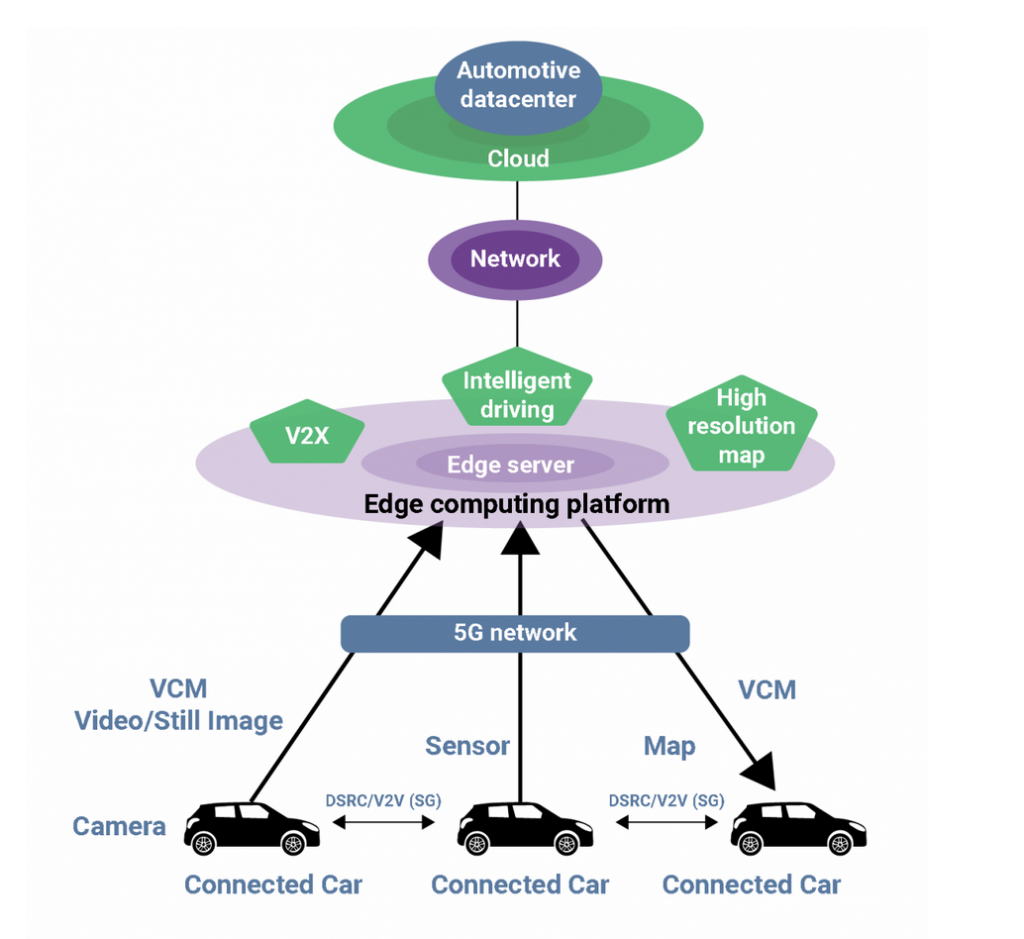
Edge computing for cars is powerful but not enough. Secure communications require more edge-computation power. Connected and AI self-driving cars require much higher mission-critical levels of communications’ cybersecurity. Connected and self-driving vehicles are vulnerable and we have to address these flaws as soon as possible.

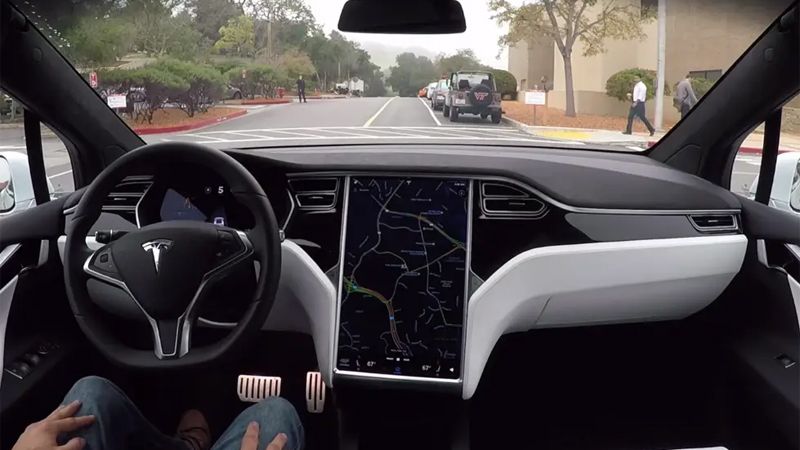
Photo Credit: Car & Driver Magazine

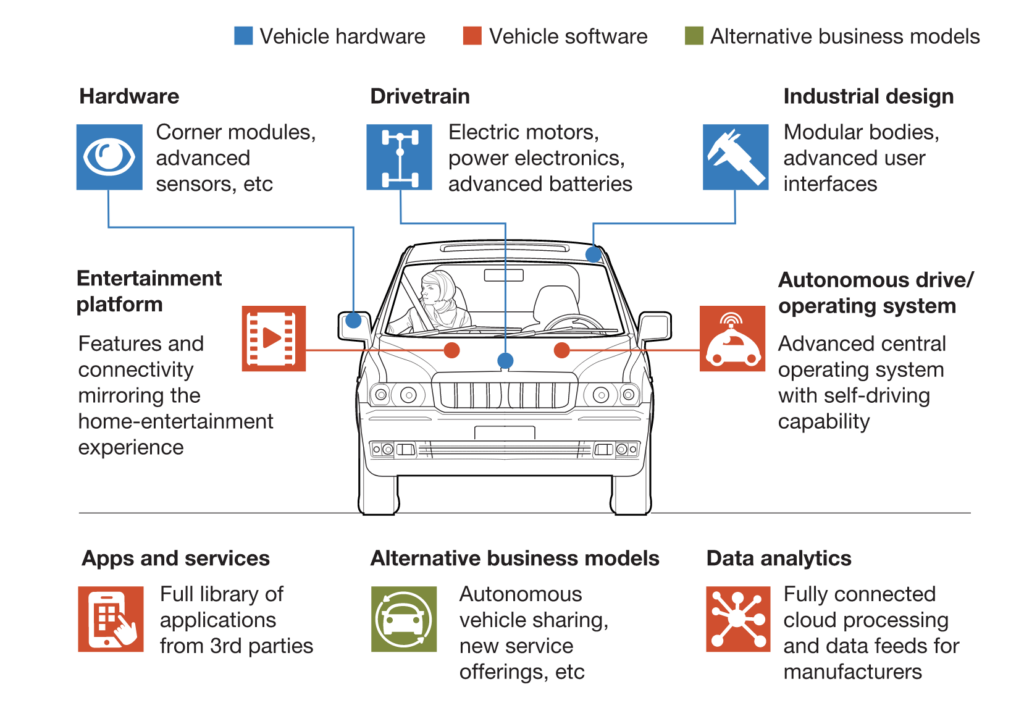
The “Internet-of-things” along with the advent of car electronic control units or microprocessors for “wireless connected cars” may perhaps be compared to a similar “convergence point” in the computer industry during the 1970 to 1979 period. I can see an applicable system topology metaphor: personal computers versus the Mainframe terminals? The answer was of course that users demand more computation power in their hands. I think we can extrapolate the same paradigm and realise that there is a need for more computation power in the car, at the edge. We need more local power.

McKinsey & Company “How the Convergence of Automotive and Tech will create a new Ecosystem” (1)

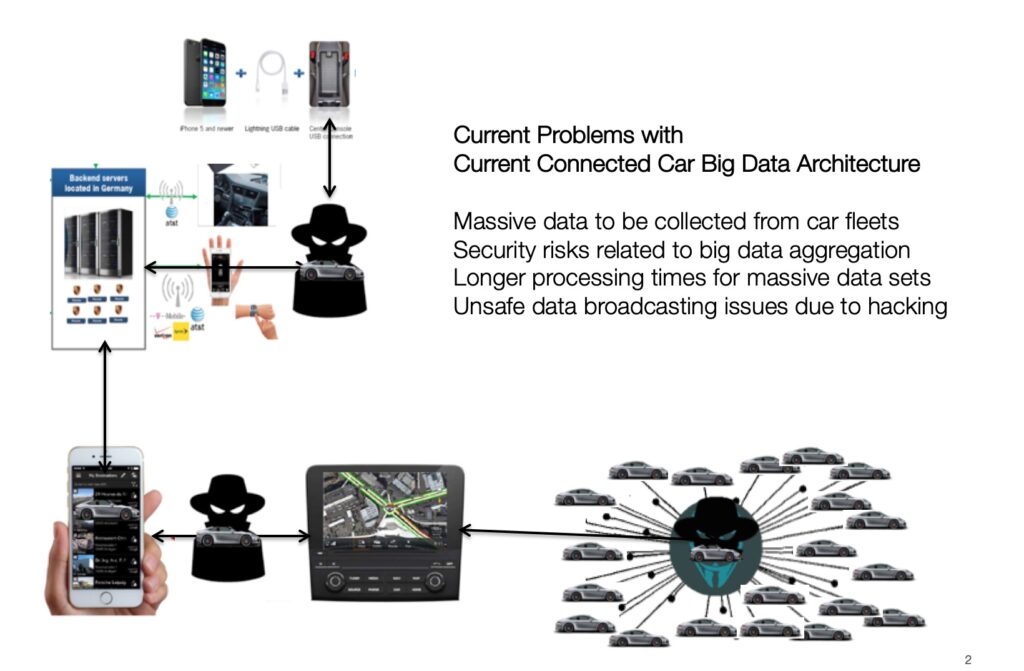
In terms of Cybersecurity, it’s necessary to speed up development of the connected car’s Cybersecurity architecture. At the moment, most cars rely on typical centralized Server network topologies, exposing unencrypted internet traffic to and from cars.

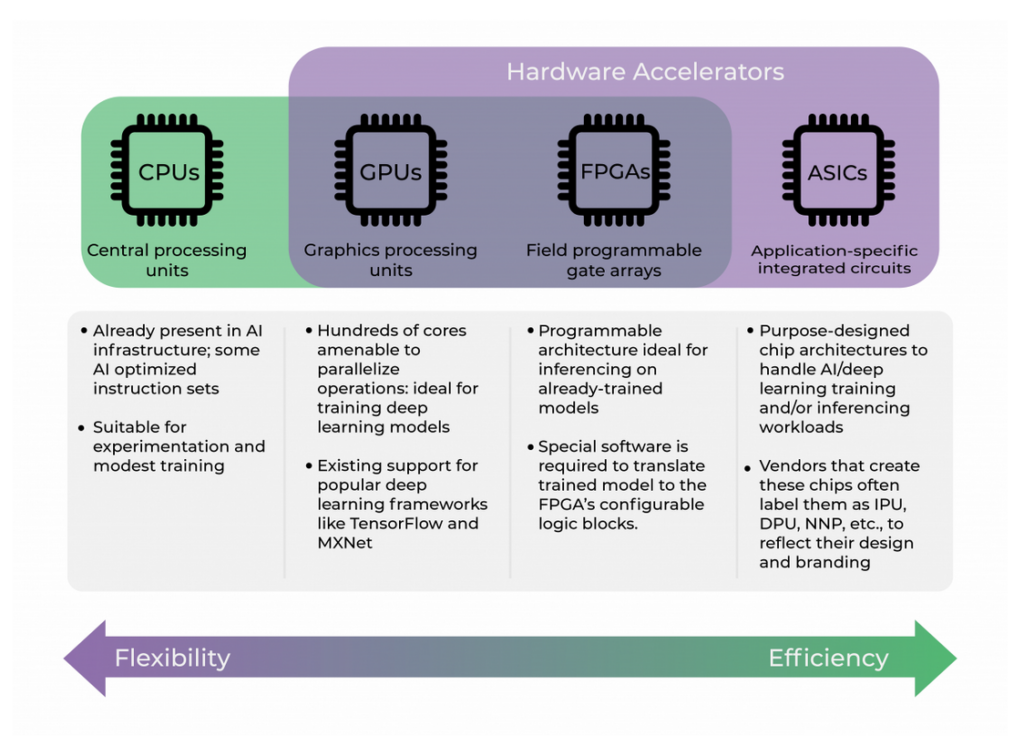
Source: Gyrfalcon Technology Inc.

We are faced with Cybersecurity problems in connected cars, despite the obvious powerful computer smarts of modern connected AI self-driving cars and even considering the remarkable computation power derived from over 100 individually networked micro-controllers or mini-computers on-a-chip, all part of the car’s brains. We may also find in “connected AI self-driving” automobiles, an estimated 100 million lines of car computer code are running at once.

Alas! despite of all these marvelous microcontrollers, not much power “at the AI car edge” is dedicated to wireless communications. Cybersecurity cannot be achieved at the edge by software alone, since the entire “Controller Area Network” of each car is unprotected. There is no encryption of data flowing in the CAN network of cars, which is the internal hardware network that connects all components in modern cars.

Source: Gyrfalcon Technolgy Inc.

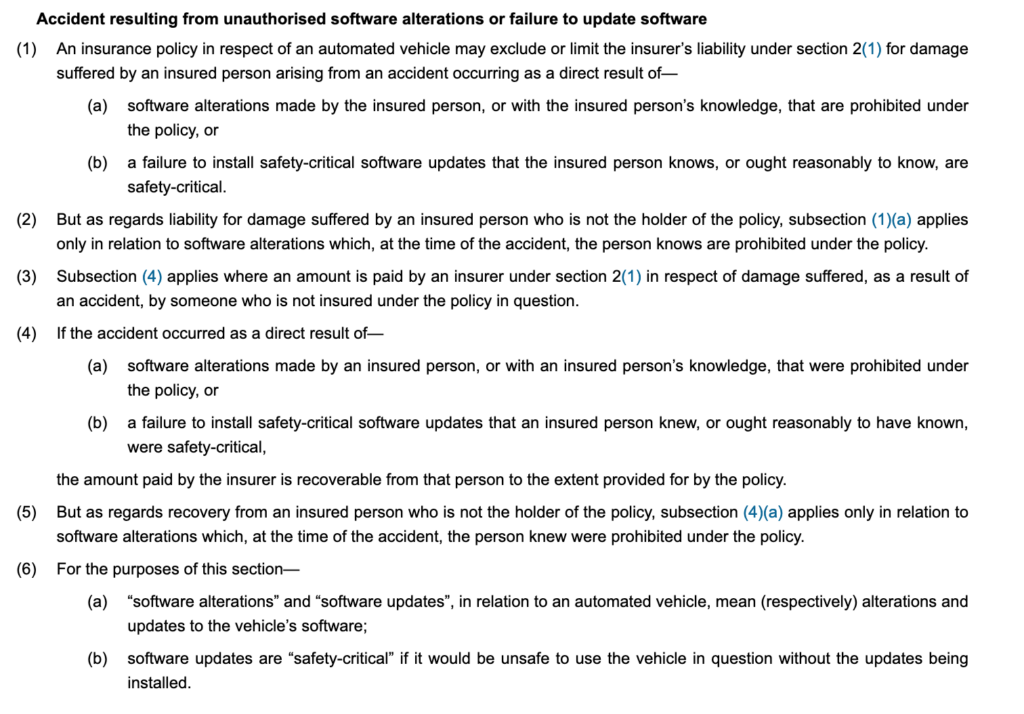
The UK 2018 Automated and Electrical Vehicle Bill may one day require owners to install a specialized connected car Cybersecurity device, or else incur serious Insurance risk in cases of accidents for cars that operate with any level of self-driving AI software. An insurance liabiilty risk exists in the UK when, after an accident it is determined there were no secure firmware updates for the car’s operating AI software. It is hard to believe, but currently most if not all connected cars… cannot comply with this UK Law and physically due to the nature of their on-board electronics, cannot update AI firmware using secure and authenticated wireless transmissions.

United Kingdom 2018 Automated and Electric Vehicles Act 2018
https://www.legislation.gov.uk/ukpga/2018/18/section/4/enacted

Therefore, despite the technological marvels offered by connected cars today (like driving a collection of small computers on wheels) we are still not safe in terms of Cybersecurity since each one element of this automotive “Controller Area Network” does not have encryption and no way to update AI firmware wirelessly under secure authentication. There are no software “patches” possible to a hardware problem.

The automotive industry has NO shared security standards for different automotive vendors of electronic parts. Since each new part has no built-in credible Cybersecurity… once connected to the Internet, cars could become a hacking target. (2)

Hacking attacks on a “Connected Car” pose a significant risk due to the fact the car’s “Controller Area Network” manages in-car messages from different mission critical car systems, which many times may be life-critical to the driver and to the safety of other cars in proximity to the vehicle. The most vulnerable “attack vectors” are of course the user credentials & smartphone devices, which are also prone to hacking security keys and it’s best not to mention other attack vectors that pose significant “fleet” risk.

Copyright(c) Helios Energia Ltd 2022

As the car industry moves faster to develop better self-driving artificial intelligence vehicles, it becomes ever more critical to invent new solutions that offer robust network security from hacking intruders. This problem presents a significant risk for users and also for car manufacturers, as well as for the Insurance industry, since the costs of insurance coverage reflect implicit security risks in today’s digital economy.

In the future, we venture to forecast that it will not be possible to legally operate self-driving cars on UK motorways without a hardened on-board computational and secure wireless communications system for certification of the roadworthiness and reliability of such autonomous vehicles. Encrypted, secure and authenticated wireless frequent updates of critical self-driving firmware software, requires the installation of a retrofit tamper proof, new genertion “firewall” security communications device: AEBIS.

Our need for incorporating an entire new level of effective Cybersecurity to vehicle manufacturing is becoming increasingly demanding; in order to resolve the issues of safety and system integrity for more than 10 million connected cars on UK motorways alone. We respectfully and humbly posit, Connected Car Cybersecurity is a strategic imperative for the future of AI autonomous and connected vehicles to the Internet.

Floren Cabrera F. de Teresa, CEO

https://www.mckinsey.com/industries/automotive-and-assembly/our-insights/how-the-convergence-of-automotive-and-tech-will-create-a-new-ecosystem

https://www.pcmag.com/news/the-forgotten-world-of-dumb-terminals

https://arstechnica.com/information-technology/2022/06/hackers-out-to-steal-a-tesla-can-create-their-very-own-personal-key/

I

Quantum Light Introduction

by Lawrence Klaes, Science Editor

Convergence of digital and physical worlds requires an entirely new cyber security arquitecture.

We are at the threshold of a real revolution in computer technology, one that will literally change how our society currently functions and interacts with the machines and systems we operate now in ways we can only imagine.

This technology is quantum computing and its key aspects, namely security. This computing system is so named for it operates on the very foundations and principles of quantum physics. Utilizing the seemingly magical properties of the quantum state in our macroscopic world, quantum computing offers the ability to store data in quantities that may seem as unbelievable to us as a modern laptop holding terabytes of information would to someone at the start of the Computer Age in the mid-Twentieth Century.

Protecting the New Gold Standard: Information

In the often prescient 1992 film Sneakers, the character of Cosmo explains what has become the true ultimate commodity of the modern technological era:

“The world isn’t run by weapons anymore, or energy or money. It’s run by ones and zeroes, little bits of data. It’s all just electrons.

“There’s a war out there, old friend, a world war. And it’s not about who’s got the most bullets. It’s about who controls the information …what we see and hear, how we work, what we think. It’s all about the information.”

Our civilization runs on information of all sorts every second of every day. Most of this information is now stored, analyzed, filtered, and run through our elaborate systems of computers and the networks that deliver and collect them.

While much of the information our society needs to function is widely available, there is also a plethora of data that requires being protected for reasons ranging from personal privacy to national security. While current computers have a wide range of methods to secure the information placed on them, it is not always enough. Someone always seems ready and able to find a way to break through even the most sophisticated security cyphers and codes.

Quantum computers can change all this. Using the rules of quantum physics, more information could be stored on such a system than would ever be possible on a machine in the macrorealm. These same physics can also provide encryption protection that would make it virtually impossible to decode or otherwise break both stored data and its transmission from one computer system to another.

This medium is new and pioneering. There are many obstacles to overcome. Nevertheless, quantum computing and cryptography are real and offer possibilities that could transform our world and our species in ways we now only think of as science fiction. Quantum Light is leading the way in this incredible tomorrow. Learn how here

Optical Security by the Laws of Physics

by Floren Cabrera F. de Teresa

Our world-wide-web cannot be effectively secured from hacking and much less can we currently secure “embedded devices” in the so-called “Internet-of-things.”

The security architecture of the Internet’s TCP/IP packet and DNS routing networks has largely been exceeded in terms of current capabilities to secure the Internet-of-Things. This is due to the fact a number of structural vulnerabilities exist – some still “zero-day” and others were inadvertently incorporated into the architecture for example of x86 chipsets. Many computer processors can be accessed via MINIX-3 types of utilities in order to easily obtain plain-text user-credentials dumps, directly from most types of x86 chipsets and exposing many mission critical devices to hacking threats.

The most worrisome “threat-model” is that of compromising user-credentials on-line and this has been manifest by an increasing number of “connected car” robberies and car hijackings using user compromised-credentials from typical hacks of mobile or laptop devices. In addition, the automotive industry is ill prepared to respond to this threat, as the “controller area network” (CAN) of cars is wide-open by necessity since there are no standards among many participants in the OEM electronics industry.

Vulnerabilities of the Internet and the “Internet-of-Things.”

  • IoT insecurity, low computational power & rigid Tx/Rx protocols
  • Network traffic transmission of encryption keys and sensitive plaintext credentials
  • IoT data and firmware updates (are not encrypted) and unverified before upload
  • Identity of servers is exposed by TCP/IP connection protocols for authentication
  • Firmware contains security information exposed in unencrypted traffic
  • Poorly implemented TLS 1.3 Standard as per the UK National Cyber Security Centre
  • Physical on-premise local services serious Ethernet and USB port vulnerabilities
  • Misconfigured SSL/TLS by users in addition to legacy hardware and software
  • Credentials at risk of being exposed by downloadable MCU/CPU firmware
  • Internet Cloud susceptible to SQL injection, cross-site scripting, request forgery and TLS implicit trust.

UK Automated and Electric Vehicle Bill and Cyber Security

The UK’s 2018 “Automated and Electric Vehicle” Bill poses serious liabilities for Insurance companies in case that an accident should occur without the requisite “critical software uploads and updates” as defined in the new Law. Most current “connected cars” simply use an SMS 3G/4G GSM connection via a mobile network carrier, without any thought for the required “authenticated software and firmware uploads, factory reset” and other features that now since April, are in effect mandated by Law. Therefore, we have a unique opportunity before us if we were able to rapidly deploy our AEBIS hardware/software retrofit solution.

This UK legislation addresses certain key principles of connected car security, most of which cannot be currently met by existing “connected car” entertainment and wireless systems! In other words, there could be up to 9 million vehicles on UK roads that are NOT compliant with UK law. This creates a significant risk exposure for insurance companies, as well as for drivers, who must provide proof effective of secure and authenticated firmware uploads, sanitation of user credentials or factory reboot and other features of security functionalities that current IoT (internet-of-things) automotive devices are simply not prepared to process nor are able to deliver with simple software updates.

Any viable solution that is fully compliant with the new 2018 Automated and Electric Vehicle UK Bill, will require a hardware retrofit module in order to increase the processing power and capabilities of the system to comply with UK new Laws. The insurance industry is particularly exposed to serious liabilities resulting from the current lack of compliance of connected cars.

1. – Retrofit telematics car market in the United Kingdom: there are over 32 million cars in the U.K. with an active secondary used car market valued at over £43 billion and representing over 400,000 trades per year.

2. – Connected car market in the UK, with over 8.5 million connected vehicles that are on the road today. We have traction with one of the top-ranked Venture Capital investors in AI autonomous car in the UK and if we were to deploy our solution with IBM Watson, we could close an important investment.

3. – The fleet market for long-haul lorry drivers and commercial vehicles that are constantly on the road. We are in confidential discussions with the largest fleet operators both in Europe and in America, with lots of traction and a possible sales order for our products. Three are literally millions of unprotected IoT devices, some of which are in mission critical networks. This is an urgent security need, which represents and technical challenge and an opportunity for Quantum Light to capture and together with the right large strategic partner – Helios Energia our parent company is honoured to be an IBM Business Partner. This “Big Play” business case. IoT cybersecurity problems are present for all Internet connected networks, including the IBM Cloud, since most IoT firmware and user data is not encrypted, firmware updates are most commonly not available for most “smart-devices” and those with software updates are not-encrypted and credentials are exposed.

Quantum Light Ltd has developed LightKey(R) in order to help our Clients mitigate the high level of cybersecurity risks and digital-threat environment that we all face today.